


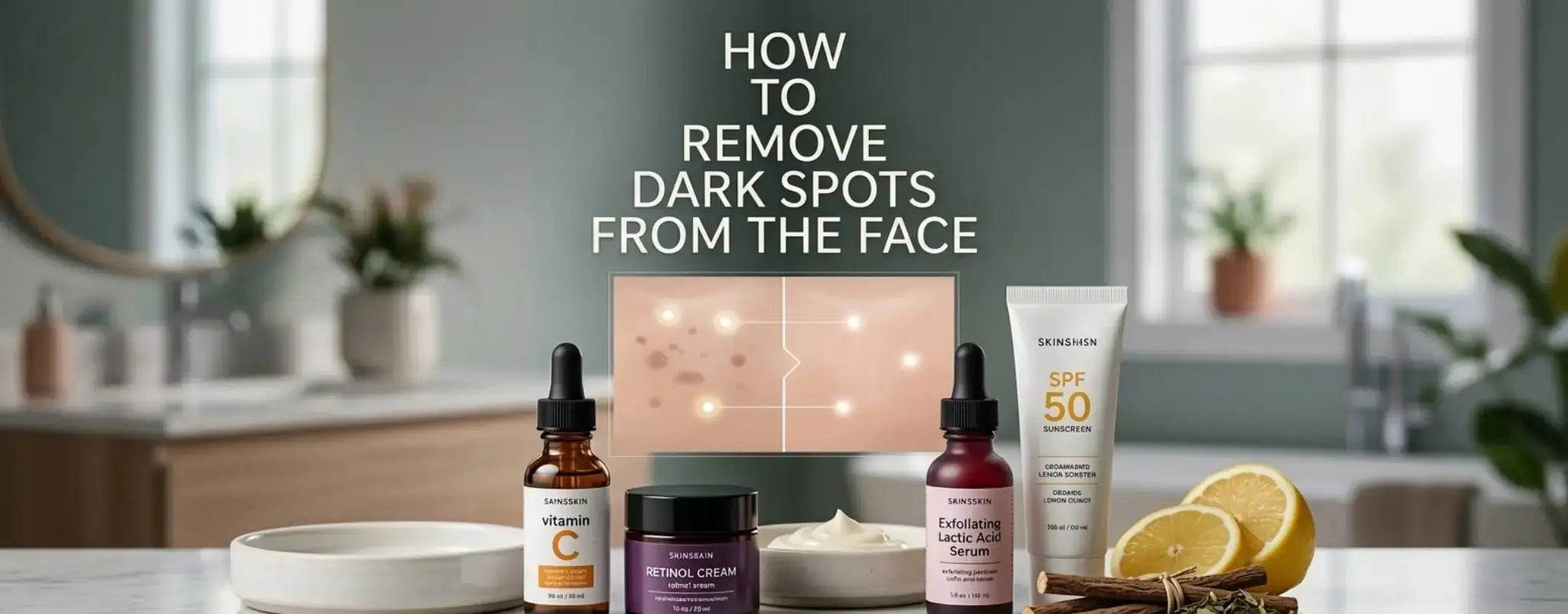
Dark spots on the face are one of the most common skincare concerns people struggle with today. Also known as hyperpigmentation, these spots can appear due to acne scars, sun exposure, hormonal changes, aging, or skin inflammation, causing the skin to look uneven and dull. When excess melanin is produced in certain areas of the skin, it leads to pigmentation that can be difficult to fade without the right skincare routine.
The good news is that it is possible to remove dark spots from the face with the right treatments, ingredients, and consistent skincare habits. From powerful ingredients like vitamin C, niacinamide, retinol, and sunscreen to natural remedies and dermatologist-approved treatments, there are several ways to reduce pigmentation and restore your skin’s natural glow. In this guide, we’ll explore the best ways to remove dark spots, prevent hyperpigmentation, and achieve clearer, brighter skin, along with effective skincare solutions that can support your journey to healthier skin.
What Are Dark Spots?
Dark spots on the face are areas of skin that appear darker than the surrounding skin due to excess production of melanin, the natural pigment responsible for skin color. This condition is commonly known as hyperpigmentation and can affect people of all skin types and ages.
When the skin produces too much melanin in certain areas, it results in visible patches or spots that make the complexion look uneven, dull, or discolored. These spots can range from light brown to dark brown or even grayish tones, depending on skin type and the underlying cause.
Dark spots usually develop on parts of the face that are frequently exposed to environmental damage, especially sunlight. The most common areas include:
-
Forehead
-
Cheeks
-
Nose
-
Chin
-
Upper lip
Common Types of Dark Spots
Dark spots can appear in several forms, including:
-
Sun Spots (Solar Lentigines) – Caused by long-term sun exposure.
-
Melasma – Hormone-related pigmentation often seen during pregnancy.
-
Freckles – Small pigmentation spots triggered by sunlight and genetics.
-
Post-Inflammatory Hyperpigmentation (PIH) – Dark marks left behind after acne or skin irritation.
Although these spots are usually harmless, they can make the skin appear uneven and aged, which is why many people look for effective ways to remove dark spots from the face and restore a brighter complexion.
Key Causes of Dark Spots
Understanding the root causes of pigmentation is essential for choosing the right skincare treatments and prevention methods.
1. Sun Exposure
Excessive sun exposure is the most common cause of dark spots.
When the skin is exposed to UV rays, it produces more melanin as a protective response. Over time, this excess pigment can accumulate in certain areas, forming sun spots and uneven pigmentation.
Common characteristics of sun-induced dark spots include:
-
Appearing on sun-exposed areas of the face
-
Becoming darker over time without sunscreen
-
Increasing with age and repeated sun damage
Using broad-spectrum sunscreen (SPF 30 or higher) daily is one of the most effective ways to prevent these spots.
2. Hormonal Changes (Melasma)
Hormonal fluctuations can trigger a type of pigmentation called melasma.
This condition commonly occurs during:
-
Pregnancy
-
Use of birth control pills
-
Hormone therapy
-
Hormonal imbalance
Melasma typically appears as symmetrical brown or gray patches on the:
-
Cheeks
-
Forehead
-
Nose
-
Upper lip
Sun exposure can worsen melasma, making sun protection and brightening skincare ingredients essential for treatment.
3. Acne Scarring (Post-Inflammatory Hyperpigmentation)
Another major cause of dark spots is post-inflammatory hyperpigmentation (PIH), which occurs after acne breakouts or skin injuries heal.
When the skin experiences inflammation from:
-
Pimples
-
Skin irritation
-
Cuts or burns
-
Aggressive skincare treatments
…it can trigger excess melanin production during the healing process.
As a result, dark marks remain even after the acne disappears. These marks can take weeks or months to fade without proper skincare treatments such as vitamin C, niacinamide, or retinol.
4. Aging and Environmental Damage
As we age, the skin gradually accumulates damage from years of sun exposure and environmental pollutants. This can lead to the formation of age spots, also known as liver spots or solar lentigines.
These spots usually:
-
Appear after the age of 40
-
Develop on sun-exposed areas
-
Become darker over time
Common areas where age spots appear include:
-
Face
-
Hands
-
Shoulders
-
Arms
Proper skincare, including antioxidants, brightening serums, and sunscreen, can help reduce their appearance and maintain a more even skin tone.
How to Remove Dark Spots from the Face: Quick Solutions
If you're looking to remove dark spots from the face, several effective treatments can help fade pigmentation and restore an even skin tone. Dark spots caused by sun damage, acne scars, hormonal changes, or aging can be improved with the right skincare ingredients and consistent care. Dermatologists usually recommend a combination of topical treatments, natural remedies, and sun protection to gradually reduce hyperpigmentation and improve overall skin clarity.
1. Topical Treatments for Dark Spots
Topical skincare ingredients are one of the most effective ways to treat dark spots and hyperpigmentation. These ingredients work by reducing melanin production, promoting skin renewal, and improving overall skin tone.
Vitamin C
Vitamin C is a powerful antioxidant that helps brighten the skin and fade dark spots. It works by reducing melanin production and protecting the skin from environmental damage. Using a Vitamin C serum regularly can help improve skin radiance and create a more even complexion.
Niacinamide
Niacinamide (Vitamin B3) helps reduce pigmentation by limiting melanin transfer to skin cells. It also improves skin texture, strengthens the skin barrier, and helps control excess oil, making it suitable for most skin types.
Retinoids (Retinol)
Retinoids increase skin cell turnover, which helps remove damaged skin cells and fade dark spots over time. Retinol also improves overall skin texture and supports collagen production. However, it should be introduced gradually to avoid irritation.
Hydroquinone
Hydroquinone is a strong skin-lightening ingredient used to treat stubborn pigmentation and melasma. It works by blocking melanin production, but it should be used carefully and preferably under the guidance of a dermatologist.
2. How to remove spots from face naturally at home
Natural remedies can also help support the process of fading dark spots. Although results may take longer compared to clinical treatments, they can improve skin health and brightness when used consistently.
Lemon Juice
Lemon juice contains citric acid, which has natural exfoliating properties that may help lighten dark spots. However, it should be used carefully because it can increase skin sensitivity to sunlight.
Aloe Vera
Aloe vera contains compounds that help soothe the skin and reduce pigmentation. It also improves hydration and supports skin repair, which can gradually reduce the appearance of dark spots.
Turmeric Masks
Turmeric is known for its anti-inflammatory and antioxidant properties. Regular use of turmeric face masks may help brighten the skin and reduce pigmentation over time.
Comparison: Natural vs. Commercial Dark Spot Treatments
Natural Remedies:
- Pros: Affordable, non-chemical, easy to find at home.
- Cons: Slower results, less proven efficacy, potential for skin irritation if used improperly.
Commercial Products (Serums, Creams, Medications):
- Pros: Scientifically proven effectiveness, fast results, suitable for sensitive skin (depending on product).
- Cons: Can be expensive, may contain chemicals that irritate sensitive skin if not properly tested.
At Herbsalot, we offer products like our Herbsalot Vitamin C Facewash, which contains high-potency Vitamin C along with other skin-brightening ingredients that help reduce pigmentation and protect your skin from sun damage. This serum is perfect for individuals looking to fade dark spots, even out skin tone, and achieve that radiant glow. You can check it out here.
Professional Treatments for Removing Dark Spots
If you're looking for more intensive treatments, there are several options available from dermatologists and skincare clinics.
Laser Therapy
Laser treatments such as Q-switched lasers or fractional CO2 lasers can target dark spots by breaking down the pigment and promoting skin regeneration. These treatments can deliver quick results, but there may be some downtime and cost associated with them.
Chemical Peels
Chemical peels use a chemical solution to exfoliate the top layer of skin, which can help fade dark spots. These peels come in various strengths, and a dermatologist can determine which type is best for your skin.
Microneedling
Microneedling is a procedure that uses tiny needles to create micro-injuries in the skin, stimulating collagen production and allowing better absorption of treatments like serums. This can be an effective treatment for stubborn pigmentation.
Preventing Dark Spots: Essential Tips for Healthy Skin
1. Daily Sun Protection
The best way to prevent dark spots from forming or worsening is to protect your skin from the sun. Using a broad-spectrum sunscreen with SPF 30 or higher helps block harmful UV rays that trigger hyperpigmentation and uneven skin tone. Along with sun protection, maintaining a proper skincare routine with products like Herbsalot Glow & Beauty Whitening Face Wash and Herbsalot Neem & Tea Tree Acne Serum can help keep the skin clean, reduce acne marks, and support a clearer complexion.
2. Healthy Skincare Habits
- Avoid Picking at Skin: Picking at acne or wounds can lead to post-inflammatory hyperpigmentation, making dark spots even worse.
- Regular Exfoliation: Gentle exfoliation helps remove dead skin cells and promotes skin regeneration. You can use an exfoliating cleanser or chemical exfoliants like AHAs or BHAs for better results.
- Hydrate Your Skin: Keeping your skin well-moisturized ensures that it stays healthy and helps repair itself over time, reducing the appearance of dark spots.
Common Myths About Dark Spot Removal
Myth 1: Dark Spots Will Fade on Their Own
While some dark spots might fade naturally, many will need active treatment for noticeable improvement. Professional treatments and consistent use of skin care products can speed up the process.
Myth 2: Natural Remedies Work Just as Well as Commercial Products
While natural remedies can be effective for some people, they tend to have slower results and may not work for everyone. Commercial products that are dermatologically tested offer more consistent results and faster improvements.
Myth 3: Dark Spots Are Permanent
With the right treatments, dark spots can be reduced or even completely removed. Regular use of targeted treatments and sun protection will help fade existing spots and prevent new ones from forming.
FAQs About Removing Dark Spots from the Face
How to remove black marks on face quickly?
To remove black marks on the face quickly, use skincare ingredients like vitamin C, niacinamide, retinol, and chemical exfoliants that help fade hyperpigmentation and improve skin renewal. Regular exfoliation and sun protection are also important to prevent marks from becoming darker. Consistency with the right skincare routine can help noticeably reduce black marks over time.
How to remove dark spots caused by pimples?
Dark spots caused by pimples are known as post-inflammatory hyperpigmentation (PIH). Ingredients such as vitamin C, niacinamide, retinol, and alpha hydroxy acids (AHAs) can help lighten these spots by improving skin cell turnover. Avoid picking acne and always use sunscreen to prevent pigmentation from worsening.
How to remove dark spots on face naturally permanently?
Natural remedies like aloe vera, turmeric, lemon, and honey may help reduce dark spots when used consistently. These ingredients support skin healing and gentle exfoliation, which can gradually improve skin tone. However, combining natural treatments with proper skincare and sun protection usually delivers better long-term results.
Can dark spots be permanently removed?
Yes, dark spots can often be significantly reduced or permanently removed depending on their cause. Treatments such as brightening serums, retinoids, chemical peels, and laser treatments can help fade pigmentation. Consistent skincare and daily sunscreen use are essential to prevent dark spots from returning.
Can dark patches be removed naturally?
Some dark patches can be improved naturally with ingredients like aloe vera, turmeric, and vitamin C-rich treatments that help brighten the skin. Natural remedies may take longer to show results compared to clinical treatments. Maintaining a good skincare routine and protecting the skin from sun damage is key to improving pigmentation naturally.
Conclusion: The Best Approach to Remove Dark Spots from the Face
Removing dark spots from the face requires a combination of the right skincare ingredients, preventive care, and consistent habits. Ingredients like vitamin C, niacinamide, and retinol can help fade hyperpigmentation and improve overall skin tone over time. Daily sun protection is also essential to prevent existing dark spots from becoming darker. Incorporating effective skincare products such as Herbsalot Vitamin C Serum and Herbsalot Sunscreen can support brighter, healthier skin. With the right routine and patience, you can gradually achieve a clearer and more even complexion. If dark spots are severe or persistent, consulting a dermatologist can help determine the best treatment for your skin type.


