


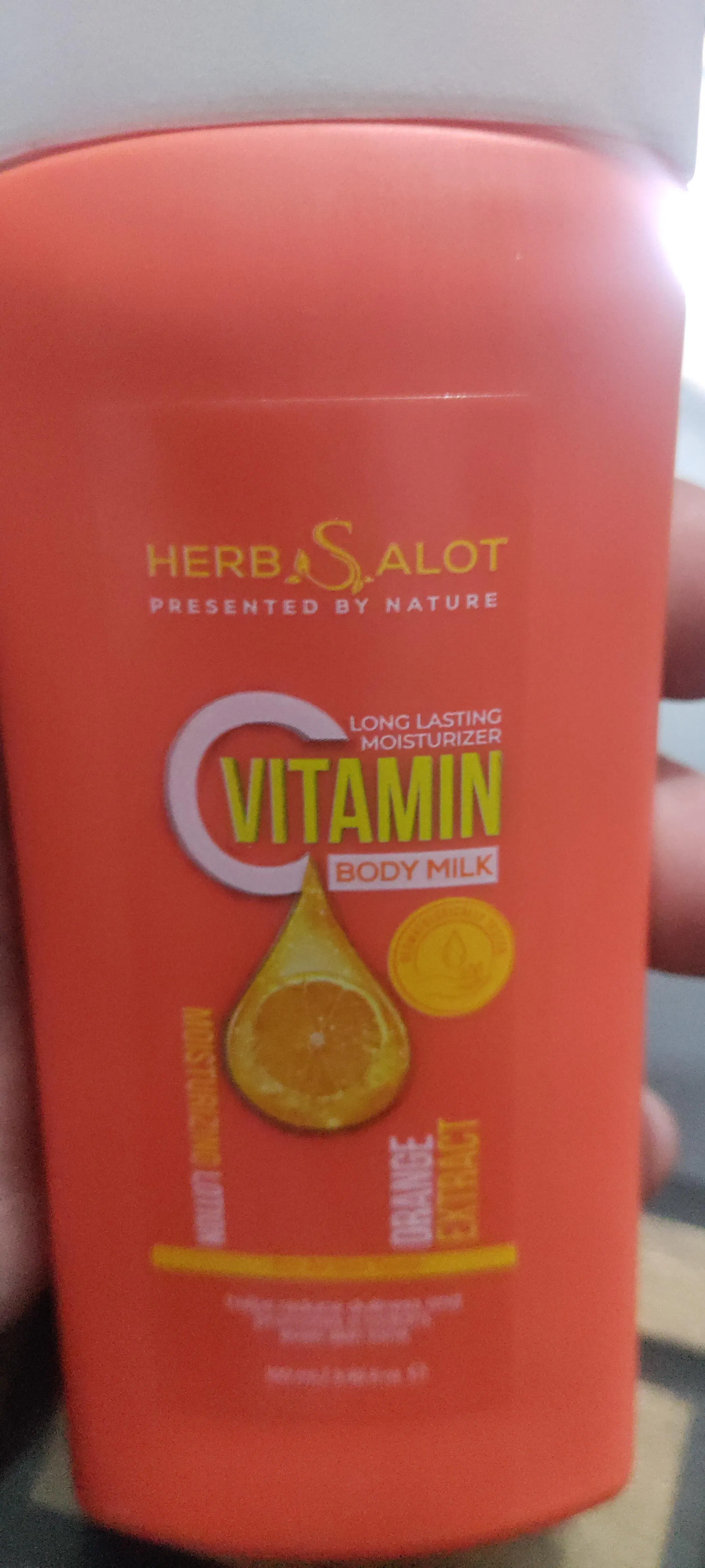
Vitamin C Brightening Body Milk
Product Description
Product Description
How To Apply
How To Apply
Benefits
Benefits
Ingredients
Ingredients
584 in stock
Couldn't load pickup availability
Share this product
Blog posts

Blackhead Removing Scrub in Pakistan: How to Finally Clear Your Nose and Chin
You have squeezed them, tried the peel-off strips, maybe even attacked them with a rough scrub in frustration. A few days later, the blackheads on your nose and chin are right back. The problem is not you. It is that most methods only remove the top and leave the clog sitting inside the pore, ready to refill. A blackhead removing scrub clears blackheads by exfoliating away the dead skin cells and hardened oil that clog your pores, while absorbing excess surface oil so new blackheads form more slowly. Used two to three times a week, a good scrub visibly reduces blackheads on the nose and chin within two to four weeks, without the damage caused by squeezing or pore strips. This guide covers how a blackhead removing scrub actually works, why it beats squeezing and strips, which type suits your skin, and how to use it correctly to keep blackheads from coming back. How Does a Blackhead Removing Scrub Work? A blackhead removing scrub works by physically exfoliating the dead skin cells and oil plug that fill a clogged pore, lifting the blackhead out, while ingredients like activated charcoal absorb excess oil to slow new ones from forming. Here is what a blackhead really is. A pore fills with oil and dead skin cells. When that plug is exposed to air, it oxidizes and turns dark. That black dot is not dirt, which is exactly why washing harder never removes it. A scrub tackles the problem physically. Its fine particles loosen and lift away the plug that a face wash alone cannot reach, clearing the pore properly. When the scrub contains activated charcoal, it also absorbs the excess oil on your skin, so pores clog more slowly and fewer blackheads form. That combination of clearing existing blackheads and slowing new ones is what makes a scrub the right tool for the job. Why Is a Scrub Better Than Squeezing or Pore Strips? A scrub is better than squeezing or pore strips because it clears the whole pore gently without damaging the skin, whereas squeezing pushes the clog deeper and spreads bacteria, and pore strips only rip off the surface, leaving the pore to refill within days. Method What it does The problem Blackhead scrub Lifts the whole plug, absorbs oil None when used correctly Squeezing with fingers Forces the plug out Damages pores, spreads bacteria, causes marks Pore strips Rips off the top of the blackhead Leaves the clog inside, refills in days Rough daily scrubbing Over-exfoliates Micro-tears, irritation, more oil Toothpaste or lemon Home remedy Too harsh, burns and darkens skin Squeezing feels satisfying but it is the worst option. It pushes part of the clog deeper, damages the pore wall, and transfers bacteria from your fingers, which leads to redness, marks and even fresh pimples. On Pakistani skin tones, that irritation easily leaves dark spots. A scrub avoids all of this by working with your skin instead of against it. Which Blackhead Removing Scrub Is Best for Your Skin in Pakistan? The best blackhead removing scrub for most people in Pakistan is a charcoal-based scrub, because activated charcoal absorbs the excess oil and pollution that cause blackheads in our hot, dusty climate. Acne-prone skin does better with a neem-based scrub. Your skin concern Best scrub choice Why Oily skin, lots of blackheads Charcoal scrub Absorbs oil and lifts clogs Blackheads plus frequent pimples Neem scrub Adds antibacterial action for acne Dull skin with some blackheads Rice scrub Brightens while gently exfoliating Sensitive skin Gentle scrub, once a week Clears pores with less irritation For the widest range of people, a charcoal scrub is the strongest pick, because oil and pollution are the main causes of blackheads in Pakistani cities. The HerbsAlot Blackhead Removing Face Scrub is built for exactly this, lifting blackheads from the nose and chin while absorbing the oil that creates them. You can compare it with neem and rice options in the HerbsAlot scrubs collection. How to Use a Blackhead Removing Scrub the Right Way Use a blackhead removing scrub two to three times a week on damp, cleansed skin, massaging gently in circles for about one minute with extra attention on the nose and chin, then rinse with lukewarm water and follow with moisturizer. Cleanse first. Start with a face wash so the scrub works on clean skin. A charcoal face wash pairs naturally, controlling the oil that feeds blackheads. Dampen your face with lukewarm water. Never scrub dry skin. Optional warm towel step. Hold a warm, damp towel on your nose for a minute first to soften the plugs so they lift more easily. Massage gently for one minute, focusing on the nose, chin and any oily zones. Light circles only. Pressing hard does not clean deeper, it just irritates. Rinse with lukewarm water and pat dry with a clean towel. Apply a light, non-greasy moisturizer. Skipping it triggers more oil and more blackheads. Wear sunscreen the next morning, as exfoliated skin is more sun-sensitive. Stick to two to three times a week. Daily scrubbing damages your skin barrier and makes your skin produce more oil, creating a cycle of even more blackheads. How to Stop Blackheads From Coming Back To stop blackheads from returning, cleanse twice daily to control oil, scrub two to three times a week to clear buildup, moisturize to prevent oil overproduction, and keep sweat, pollution and dirty pillowcases off your skin. Removal is only temporary if the habits stop. Prevention keeps your nose clear for good: Cleanse morning and night to control the oil that forms blackheads. Never sleep with sunscreen, makeup or the day's sweat on your face. Wash your face after long, dusty commutes. Change your pillowcase every three to four days, as it collects oil nightly. Keep your hands and phone screen off your face. For a complete routine, the charcoal face wash and blackhead scrub work as a natural pair: the wash controls daily oil, the scrub clears buildup a few times a week. How Long Does a Blackhead Scrub Take to Show Results? You will feel smoother skin and see fewer blackheads immediately after the first use, with clearer pores developing over two to four weeks of regular use, since blackheads clear gradually layer by layer. After the first use: Skin feels smoother and the nose looks visibly cleaner. Weeks 1 to 2: Existing blackheads reduce as repeated exfoliation clears them. Weeks 2 to 4: Nose and chin look noticeably clearer. Ongoing: Consistent use keeps blackheads from rebuilding. No scrub removes deep blackheads in a single session, and anything promising that is either ineffective or harmful. Consistency wins. When Should You See a Dermatologist? See a dermatologist if your blackheads are unusually deep and widespread, if they keep turning into painful pimples, or if a consistent routine has not helped after about eight weeks. A professional extraction or prescription treatment may then be the right step. Always patch test a new scrub behind your ear and wait 24 hours before using it on your face. Quick Recap A blackhead removing scrub lifts the whole pore plug and absorbs oil, unlike squeezing or strips. Squeezing and pore strips damage skin and let blackheads refill; a scrub does not. Charcoal scrubs suit most people; neem suits acne-prone skin; rice suits dull skin. Use two to three times a week, gently, then moisturize and wear sunscreen. Prevent blackheads with daily cleansing, regular scrubbing and clean habits. Expect clearer skin in two to four weeks. Ready to clear your nose for good? Explore the HerbsAlot scrubs collection and pick the scrub that matches your skin, with delivery across Pakistan. Frequently Asked Questions Which is the best blackhead removing scrub in Pakistan? A charcoal-based scrub is best for most people, because activated charcoal absorbs the excess oil and pollution that cause blackheads in Pakistan's hot, dusty climate. Acne-prone skin does better with a neem-based scrub. How often should I use a blackhead removing scrub? Two to three times a week for most skin types, and once a week for sensitive skin. Daily scrubbing damages the skin barrier and increases oil, which creates more blackheads. Are blackhead scrubs better than pore strips? Yes. Pore strips only rip off the top of the blackhead and leave the clog inside, so it refills within days. A scrub clears the whole pore gently and, with regular use, helps prevent new blackheads. Can a scrub remove blackheads permanently? No product removes blackheads permanently, but regular scrubbing plus daily cleansing keeps them from rebuilding. Blackheads return only when the oil and dead-skin buildup is allowed to collect again. Is a blackhead scrub safe for oily and acne-prone skin? Yes, used two to three times a week. Oily skin benefits most from a charcoal scrub, while acne-prone skin does better with neem. Avoid scrubbing directly over active, inflamed pimples. Can men use a blackhead removing scrub? Yes. Men's skin is often oilier, so blackheads are common, especially on the nose. A charcoal scrub used two to three times a week works very well for them.
Learn more
Whitening Face Wash in Pakistan: What Works, What Doesn't, and How to Choose
Walk into any store in Pakistan and you will see shelves full of face washes promising to make you "fair in 7 days." You have probably tried one, waited, and seen nothing change except your money leaving your wallet. So let us be honest about what a whitening face wash can and cannot do, because knowing this is exactly how you finally pick one that works. A whitening face wash does not bleach your skin or change your natural complexion, and no face wash can. What a good one does is cleanse away dirt, oil, tan and dullness while brightening your skin over time, revealing your natural tone looking clearer, fresher and more even. The effective ingredients to look for are vitamin C, niacinamide, and gentle exfoliants, not harsh bleaching agents. This guide explains how whitening face washes actually work, which ingredients are worth your money, which to avoid, and how to choose the right one for your skin in Pakistan. Does a Whitening Face Wash in Pakistan Actually Work? A whitening face wash works by brightening, not bleaching. It removes the dull, tanned surface layer and, with ingredients like vitamin C, gradually evens your tone so your natural skin looks clearer, but it cannot lighten your natural complexion. Here is the truth the marketing hides. Your skin colour is set by melanin, which your body produces naturally. No face wash, which touches your skin for only 30 to 60 seconds before rinsing off, can change that. Anything claiming to make you several shades fairer is either lying or, worse, using harsh bleaching agents that damage skin over time. What a genuine brightening face wash does is real and worth having. Sun, pollution and dead skin buildup leave a dull, tanned film on your face that makes you look tired and uneven. A good whitening face wash clears that film and, over weeks, its active ingredients fade tan and even out your tone. The result is your own skin looking bright, fresh and clear. People call it "fairer," but what they are really seeing is healthy, glowing skin without the dullness. Which Ingredients Make a Whitening Face Wash Effective? The most effective ingredients in a whitening face wash are vitamin C, niacinamide, and gentle exfoliants for brightening, along with sulphate-free cleansers that clean without stripping. Harsh bleaching agents should be avoided entirely. Ingredients that genuinely brighten: Vitamin C. Fades dullness and tan, supports a more even tone, and adds a natural glow. One of the most proven brightening ingredients in skincare. Niacinamide. Helps fade dark spots and uneven patches over time while strengthening the skin barrier. Gentle and suits almost everyone. Gentle exfoliants. Remove the dead, tanned surface layer that makes skin look dull. Rice extract. A traditional brightening ingredient that clears dullness while staying mild. Aloe vera and glycerin. Keep skin hydrated so it looks fresh rather than tight and grey. Ingredients and claims to avoid: Hydroquinone in over-the-counter washes. Restricted for good reason, and unsafe for unsupervised daily use. Mercury. Found in some illegal "fairness" products in Pakistan and genuinely dangerous. Never use anything with an unlabelled ingredient list. Harsh bleaching agents that promise fairness in days. They damage the skin barrier and often darken skin in the long run. "Fair in 7 days" claims. A promise no honest product can keep. How Is a Whitening Face Wash Different from a Normal Face Wash? A whitening face wash differs from a normal face wash by including active brightening ingredients like vitamin C or niacinamide that target dullness, tan and uneven tone, whereas a normal face wash only cleanses. Feature Normal face wash Whitening (brightening) face wash Main job Removes dirt and oil Cleans plus brightens over time Key ingredients Basic cleansers Vitamin C, niacinamide, exfoliants Targets tan and dullness No Yes Evens skin tone No Gradually, with regular use Best for Basic daily cleansing Dull, tanned, uneven skin The difference is the active ingredients. A regular face wash cleans and stops there. A brightening face wash cleans and then goes to work on the tan, dullness and uneven patches that a normal wash leaves untouched. That is what you are paying the small extra for, and with the right ingredients, it is worth it. Which Whitening Face Wash Is Best for Your Skin Type? The best whitening face wash depends on your skin type: oily skin suits a vitamin C or charcoal-based brightening wash, dry skin needs a hydrating one, and sensitive skin needs a gentle, sulphate-free formula. Skin type Best whitening face wash choice Why Oily / combination Vitamin C face wash Brightens while controlling shine Dry Hydrating brightening wash Evens tone without tightness Sensitive Gentle, sulphate-free, fragrance-light Brightens with less irritation risk Dull and tanned Vitamin C or rice-based wash Directly targets tan and dullness Acne-prone with marks Niacinamide or neem-based wash Fades marks while managing breakouts For most people wanting brighter, more even skin, a vitamin C formula is the strongest all-round choice. The HerbsAlot Vitamin C Face Wash brightens dullness and tan while cleansing, and it is sulphate-free and made for Pakistani skin. If shine and blackheads are your bigger issue, compare it with the other options in the HerbsAlot face wash collection. How to Use a Whitening Face Wash for Best Results To get the best results from a whitening face wash, use it twice daily on damp skin, massage for 30 to 60 seconds, rinse with lukewarm water, and always follow with moisturizer and, in the morning, sunscreen. Wet your face with lukewarm water, never hot. Massage a coin-sized amount in gentle circles for 30 to 60 seconds. Rinse thoroughly and pat dry with a clean towel. Apply a lightweight moisturizer. Every single morning, finish with sunscreen. That last step is the one people skip, and it quietly ruins their results. Sun exposure is the number one cause of tan and dullness in Pakistan. Brightening your skin without wearing sunscreen is like bailing water from a boat with a hole in it. To speed up results, exfoliate two to three times a week with a gentle scrub to lift the tanned surface layer your face wash is working on. Be patient and consistent. Visible brightness typically develops over three to four weeks, because real brightening is gradual. Any product promising faster is one to distrust. What Results Can You Realistically Expect? A whitening face wash will remove tan, clear dullness, and gradually even your skin tone, but it will not change your natural complexion or fix deep pigmentation on its own. It will: clean thoroughly, fade tan, brighten dull skin, even out mild patchiness over weeks, and give a natural glow. It will not: make you several shades fairer, bleach your skin, or clear deep pigmentation and melasma alone, which need targeted treatment and often a dermatologist. The goal worth chasing is not a different skin colour. It is clear, healthy, glowing skin that looks its best, and that is exactly what an honest brightening face wash delivers. When Should You See a Dermatologist? See a dermatologist if you have stubborn dark patches, melasma, or pigmentation that does not improve after two to three months of a consistent routine, or if a product causes persistent redness, burning or irritation. A face wash supports healthy, bright skin, but it does not replace medical treatment for deeper pigmentation issues. Also patch test any new product behind your ear and wait 24 hours before using it on your face, and introduce one product at a time so you know what suits you. Quick Recap A whitening face wash brightens by removing tan and dullness. It does not bleach or change your complexion. Look for vitamin C, niacinamide and gentle exfoliants. Avoid harsh bleaching agents, hydroquinone and anything with mercury. Match the wash to your skin type; vitamin C suits most people wanting brightness. Use twice daily, always follow with moisturizer, and never skip morning sunscreen. Expect visible brightness in three to four weeks with consistent use. Ready for clearer, brighter skin? Explore the HerbsAlot face wash collection and pick the brightening formula that suits your skin, with delivery across Pakistan. Frequently Asked Questions Which whitening face wash is best in Pakistan? No face wash bleaches skin, so the best choice is a brightening face wash with proven ingredients like vitamin C or niacinamide. These fade tan and dullness and even your tone over time, revealing clearer natural skin. Do whitening face washes really work? They work as brightening products, not bleaching ones. A good whitening face wash removes tan, clears dullness and evens tone gradually, but it cannot change your natural complexion or make you several shades fairer. How long does a whitening face wash take to show results? Visible brightness usually develops over three to four weeks of consistent twice-daily use. Real brightening is gradual, so any product claiming results in a few days should be avoided. Are whitening face washes safe for daily use? Face washes with gentle ingredients like vitamin C and niacinamide are safe for twice-daily use. Avoid products with harsh bleaching agents, hydroquinone or unlabelled ingredients, as these can damage skin. Can men use a whitening face wash? Yes. Brightening ingredients work the same for everyone. Men dealing with tan, dullness and uneven tone from sun and pollution benefit from a brightening face wash just as much. Which is the best whitening face wash for oily skin in Pakistan? A vitamin C or charcoal-based brightening face wash suits oily skin best, because it controls shine while brightening. Look for a sulphate-free, oil-free formula for the best results.
Learn more
Rice Scrub for Skin Whitening: What It Really Does for Dull, Tanned Skin
Rice has been used for glowing skin across Asia for centuries, from Japanese rice water rituals to the ubtan our own grandmothers mixed at home. So when you search for a rice scrub for skin whitening, you are following a tradition that genuinely works. But it helps to know what it actually delivers. A rice scrub does not whiten or bleach your skin, and no scrub can change your natural skin colour. What a rice scrub does is exfoliate away dead skin cells, tan and dullness, revealing the brighter, more even tone underneath. Used two to three times a week, it makes skin look visibly clearer, smoother and glowing within two to four weeks. That distinction matters, because it is the difference between a product that disappoints you and one that actually works. Here is everything a rice scrub does, why it beats most other scrubs, and how to use it properly. Does a Rice Scrub for Skin Whitening Actually Work? A rice scrub works by brightening the skin, not whitening it. It removes the dull, tanned, dead surface layer so your natural tone looks clearer and more even, but it cannot lighten the melanin your skin naturally produces. Here is what is really happening on your face. Your skin sheds dead cells constantly, but sun exposure, pollution and dryness cause them to build up in a dull, uneven layer. Tan sits in this layer too. That buildup is why your skin looks grey, tired and patchy even when you cleanse daily. A rice scrub lifts that layer away. Underneath is skin that is naturally brighter, smoother and more even in tone. People describe the result as looking "fairer," but what they are actually seeing is their own clear skin without the dull film on top. That is a real, visible result, and it is one a scrub can genuinely deliver. What a rice scrub will not do is change your complexion or bleach your skin. Any product promising that in a few days is either ineffective or using ingredients that damage skin over time, which is a serious concern with unregulated whitening creams sold in Pakistan. Benefits of a Rice Scrub for Skin Whitening and Brightening The main benefits of a rice scrub are gentle exfoliation, tan removal, brighter and more even skin tone, smoother texture, unclogged pores and a natural glow, all without the harshness of coarse scrubs. Removes tan. Sun exposure in Pakistan builds a tan layer fast. Rice scrub lifts it, which is the single most visible brightening effect you will notice. Brightens dull skin. Rice contains natural starches and antioxidants that support a fresher, more radiant look. Evens out patchiness. Regular exfoliation helps uneven areas blend into your natural tone over time. Smooths rough texture. Skin feels noticeably softer after a single use. Clears clogged pores. Removing dead cells means fewer blackheads and whiteheads forming. Helps products absorb better. Your serum and moisturizer work better on freshly exfoliated skin, so your whole routine improves. Gentle enough for regular use. Rice particles are fine and soft, unlike harsh scrubs. How Is a Rice Scrub Different from Other Scrubs? A rice scrub is different because its particles are fine, soft and rounded, so it exfoliates without the micro-tears caused by coarse scrubs like walnut shell or sugar, and it brightens rather than only cleansing like charcoal or neem scrubs. This comparison makes the difference clear: Scrub type Particle texture Best for Main drawback Rice scrub Fine and soft Brightening, tan removal, dullness Not a spot treatment for acne Walnut shell scrub Coarse and sharp-edged Very rough skin Can cause micro-tears and irritation Sugar or salt scrub Large and dissolving Body skin Often too abrasive for facial skin Charcoal scrub Medium Oil control and blackheads Focuses on oil, not brightening Neem scrub Medium Acne-prone skin Targets breakouts, not tone Two things set rice apart. First, gentleness with results. Walnut and sugar particles have jagged edges that create tiny tears in the skin, which cause irritation and can worsen pigmentation over time. Rice particles are fine and smooth, so you get the exfoliation without the damage. This matters a lot for Pakistani skin tones, which mark and darken easily after irritation. Second, it targets tone specifically. Charcoal scrubs are built for oil, neem scrubs for acne. Rice is the one that works on dullness, tan and uneven tone, which is exactly what you are searching for. If your main concern is blackheads rather than brightness, a blackhead removing face scrub is the better match, and you can compare all options in the HerbsAlot scrubs collection. Who Should Use a Rice Scrub for Skin Whitening? A rice scrub suits anyone dealing with dull, tanned or uneven skin, including normal, oily, combination and mildly dry skin. Sensitive skin should use it less often, and active acne should be treated before exfoliating. Your concern Is a rice scrub right for you? Dull, tired-looking skin Yes, this is exactly what it fixes Tan from sun exposure Yes, one of its strongest benefits Uneven, patchy tone Yes, with consistent use over weeks Rough texture Yes, results show quickly Oily skin with congestion Yes, two to three times a week Sensitive skin Yes, but once a week only Active, inflamed acne No, treat the breakouts first How to Use a Rice Scrub for Skin Whitening the Right Way Use a rice scrub two to three times a week on damp, freshly cleansed skin, massaging in gentle circles for about one minute before rinsing with lukewarm water and following with moisturizer and sunscreen. Cleanse first. Start with clean skin so the scrub works on your face, not the day's dirt. The Deep Cleansing Rice Face Wash pairs naturally here, keeping the rice benefits in both steps. Dampen your face. Never scrub dry skin, which increases friction and irritation. Massage gently for one minute. Use light, small circles. Let the particles do the work. Pressing hard does not exfoliate deeper, it only inflames. Focus on dull areas. Cheeks, forehead, nose and jawline, where tan and buildup collect. Rinse with lukewarm water and pat dry with a clean towel. Moisturize immediately, while skin is still slightly damp. Wear sunscreen the next morning without fail. Freshly exfoliated skin is more vulnerable to sun, and skipping this undoes your brightening progress completely. Two to three times a week is the limit. Daily scrubbing damages your skin barrier, causes redness, and can make pigmentation worse, which is the opposite of what you want. How Long Does a Rice Scrub Take to Brighten Skin? You will see softer, brighter skin immediately after the first use, with clearer and more even tone developing over two to four weeks of regular use, and best results at around six weeks. After the first use: Skin feels smooth and looks instantly fresher as the dull layer comes away. Weeks 1 to 2: Tan starts fading noticeably, and skin looks more awake. Weeks 2 to 4: Tone looks clearer and more even. This is when most people notice properly. Weeks 4 to 6: Your natural glow settles in, and consistency keeps it there. Skin renews on roughly a 28-day cycle, so a full month of regular use is the fair test for any scrub. Rice Scrub Results: What to Expect Honestly Set the right expectations and you will be far happier with your results. A rice scrub will: remove tan, clear dullness, smooth texture, even out patchiness gradually, and give you a natural glow. A rice scrub will not: change your natural complexion, bleach your skin, or fix deep pigmentation and melasma on its own. Those need targeted treatments and often a dermatologist. Honestly, the goal worth having is not a different skin colour. It is your own skin looking clear, healthy and bright, which is exactly what a rice scrub delivers. Key takeaways A rice scrub brightens skin by removing tan and dullness. It does not whiten or bleach. Rice particles are finer and gentler than walnut or sugar scrubs, so no micro-tears or irritation. Unlike charcoal or neem scrubs, rice specifically targets tone and dullness. Use two to three times a week, one minute, gentle circles, never daily. Always moisturize after, and never skip sunscreen the next day. Expect visible brightness in two to four weeks. Ready to see your natural glow? Explore the HerbsAlot scrubs collection and pick the one that matches your concern, with delivery across Pakistan. Frequently Asked Questions Does rice scrub really whiten skin? No scrub can whiten or bleach skin, and rice scrub does not change your natural complexion. It brightens skin by exfoliating away tan, dullness and dead cells, revealing your natural tone looking clearer and more even. How many times a week should I use a rice scrub? Two to three times a week for most skin types, and once a week for sensitive skin. Daily scrubbing damages the skin barrier and can worsen pigmentation. Is rice scrub good for tan removal? Yes. Tan removal is one of the strongest benefits of a rice scrub, because tan sits mostly in the dead surface layer that exfoliation lifts away. It works well against Pakistan's harsh sun exposure. Can I use a rice scrub on oily and acne-prone skin? Oily skin can use it two to three times a week and benefits from clearer pores. Avoid scrubbing over active, inflamed pimples, and treat those first with a neem-based product. Which is better, rice scrub or coffee scrub? Rice scrub is gentler and better for facial brightening and tan removal. Coffee scrubs have coarser grounds better suited to the body. For the face, rice is the safer choice for regular use. Can I use a rice scrub daily for faster whitening? No. Daily use strips your skin barrier, causes redness and irritation, and often darkens skin over time rather than brightening it. Two to three times a week gives better results than overdoing it.
Learn more
Questions check here
How long does shipping take?
How long does shipping take?
Shipping typically takes 2-3 business days within the Pakistan. depending on the destination and courier processing times. You will receive a tracking number once your order has shipped so you can monitor its progress.
Does my piece come in any packaging?
Does my piece come in any packaging?
Yes, all our skincare products come in protective and aesthetically pleasing packaging to ensure they arrive in perfect condition. Each product is securely wrapped, and we use eco-friendly materials whenever possible. .
Do you ship internationally?
Do you ship internationally?
NO, we do not ship internationally! We offer PK shipping to ensure customers around the Pakistan, But we are really working on it and soon we will start shipping internationally
What payment methods do you accept?
What payment methods do you accept?
We accept a variety of payment methods to make your shopping experience convenient. These include credit/Debit cards (Visa, Mastercard, Easy Paisa),
