


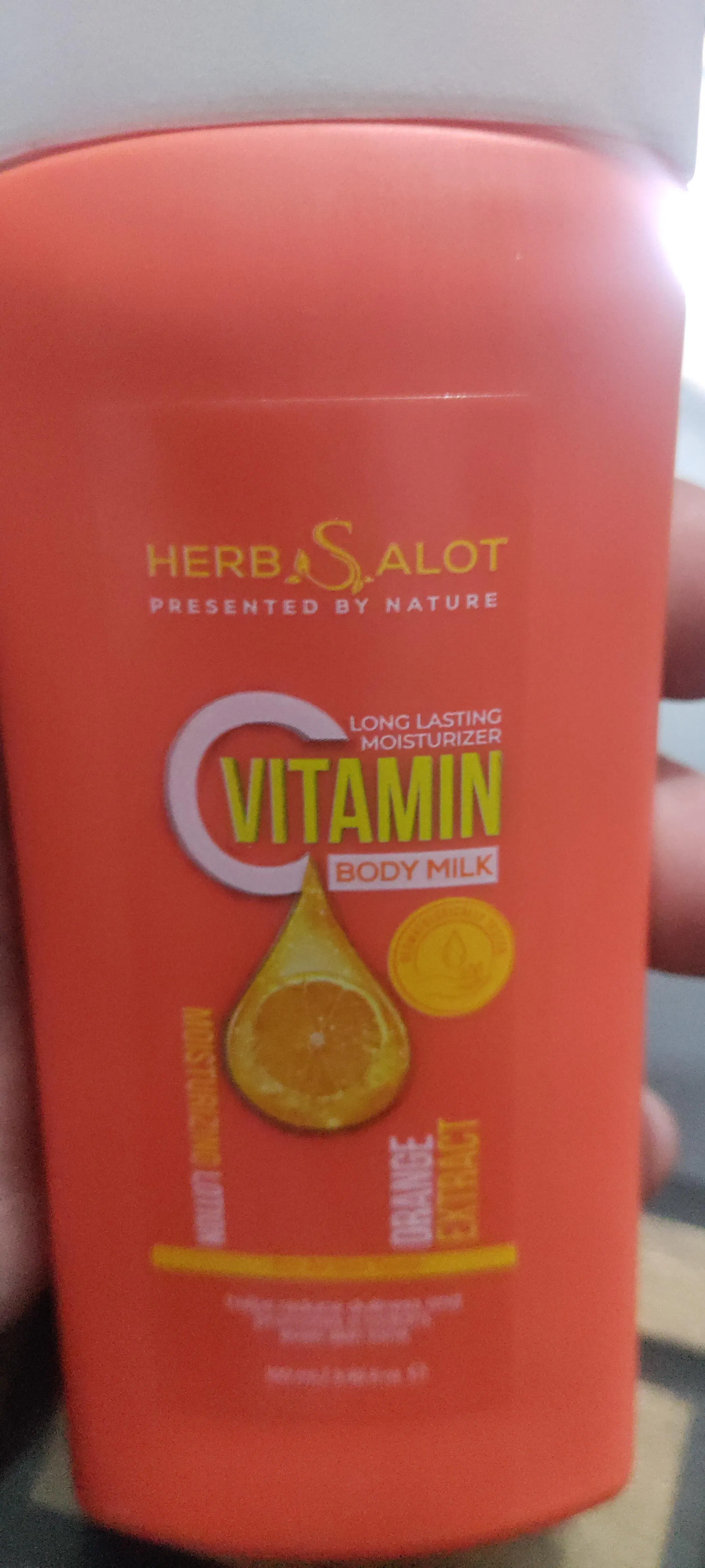
Vitamin C Brightening Body Milk
Product Description
Product Description
How To Apply
How To Apply
Benefits
Benefits
Ingredients
Ingredients
584 in stock
Couldn't load pickup availability
Share this product
Loved on Instagram
Tap a video to watch the full review


Blog posts

Where to Buy Affordable Face Wash Online in Pakistan
You want good skincare without the painful price tag. But every search throws up either expensive imported brands or cheap unknown products you cannot trust. So where do you actually buy an affordable face wash online in Pakistan that is genuinely good and genuinely good value? Here is a clear, honest answer. Quick answer: You can buy affordable, effective face washes online in Pakistan from trusted local skincare brands that sell directly through their own websites with cash on delivery. Local brands like HerbsAlot offer quality face washes with active ingredients at budget-friendly prices, usually far cheaper than imported options, with nationwide delivery and no need to visit a store. This guide explains where to buy face wash online, how to spot a good affordable one, what a fair price looks like, and how to avoid wasting money on the wrong product. Where Can You Buy Affordable Face Wash Online in Pakistan? You can buy affordable face wash online in Pakistan directly from local skincare brand websites, which offer better prices than imported brands and marketplaces because you buy straight from the source, with cash on delivery and nationwide shipping. You have a few options when shopping online, and they are not equal: Local brand websites. The best value. You buy directly from the brand, so prices stay low and the product is genuine. Most offer cash on delivery across Pakistan. Large marketplaces. Convenient, but prices are often marked up by resellers, and fake or expired products are a known risk. Imported or international brands. Good quality but expensive, with import costs, longer delivery, and higher prices for the same active ingredients a local brand offers for less. For most people wanting quality on a budget, buying directly from a trusted local brand is the smartest route. You can browse budget-friendly options across the HerbsAlot face washes, made for Pakistani skin with delivery nationwide. How Do You Spot a Good Affordable Face Wash? You spot a good affordable face wash by checking that it lists real active ingredients, is sulphate-free and gentle, suits your skin type, and comes from a transparent brand. A low price with the right formula beats an expensive mismatch every time. Price alone tells you nothing. Use this checklist instead: Real active ingredients listed. Look for charcoal, neem, vitamin C, rice or hyaluronic acid, not just vague claims. Sulphate-free and gentle. So it cleans without stripping your skin. Matched to your skin type. Oil-control for oily skin, hydrating for dry, neem for acne-prone. A transparent brand. Clear ingredient lists, honest claims, and real product information. Made for local skin and climate. Formulas built for Pakistan's heat and humidity simply work better here. A face wash with the right formula at a fair price will always outperform an expensive one that does not suit your skin. What Is a Fair Price for a Face Wash in Pakistan? A fair price for a quality face wash in Pakistan is roughly Rs.400 to Rs.900. Below that, the active ingredients are often too weak to work, while imported brands above Rs.1,000 usually charge extra for branding, not better results. Price range What you usually get Under Rs.400 Often weak formulas with little active benefit Rs.400 to Rs.900 The value sweet spot: effective local face washes Rs.1,000 and above Mostly imported, higher cost from branding and import The key point is that formulation matters more than price. A well-formulated local face wash in the mid-range usually matches or beats a far pricier imported one, because you pay for the ingredients, not the shipping and the name. Which Affordable Face Wash Should You Choose for Your Skin? Choose your affordable face wash by skin type: charcoal for oily skin, neem for acne-prone skin, vitamin C for dull or uneven skin, hyaluronic acid for dry skin, and rice for balanced or combination skin. Your skin type or concern Best affordable pick Oily, shiny skin Charcoal face wash Acne-prone, frequent pimples Neem face wash Dull, uneven tone, tan Vitamin C face wash Dry, tight skin Hyaluronic acid face wash Combination or balanced skin Rice face wash Matching the wash to your skin is how you get real value, because the cheapest effective product is the one that actually solves your concern. Want even better value? Face wash and scrub combos bundle two matched products together at a lower price than buying separately, like the Charcoal Face Wash and Scrub Combo. How Do You Avoid Wasting Money on the Wrong Face Wash? You avoid wasting money by identifying your skin type first, buying a face wash with ingredients that match it, choosing a genuine product from a trusted brand, and giving it a full month before judging results. Save money with these simple rules: Know your skin type before buying, so you pick the right formula. Buy genuine products from the brand directly to avoid fakes and expired stock. Do not chase the cheapest option, since a weak formula is money wasted. Do not overpay for imports when a local product has the same actives. Give it four to six weeks. Skin renews on a monthly cycle, so results take time. Quick Recap Buy affordable face wash online directly from trusted local brand websites for the best value. A fair price for a quality face wash in Pakistan is around Rs.400 to Rs.900. Formulation matters more than price, so check for real active ingredients. Match the face wash to your skin type: charcoal, neem, vitamin C, hyaluronic acid or rice. Combos offer even better value than buying products separately. Buy genuine, know your skin type, and give any product a full month. Ready to shop smart? Browse affordable options matched to your skin in the HerbsAlot face washes, with cash on delivery across Pakistan. Frequently Asked Questions Where can I buy affordable face wash online in Pakistan? You can buy affordable face wash online directly from trusted local skincare brand websites, which offer better prices than imported brands or marketplaces. Brands like HerbsAlot sell quality face washes with cash on delivery and nationwide shipping. What is a fair price for a good face wash in Pakistan? A fair price is roughly Rs.400 to Rs.900 for an effective, well-formulated face wash. Below that, formulas are often too weak, while imported options above Rs.1,000 usually cost more for branding rather than better results. Is an expensive face wash better than a cheap one? Not necessarily. What matters is the active ingredients and whether the formula suits your skin, not the price. A good local face wash often works as well as or better than a pricier imported one. Can I buy face wash online with cash on delivery in Pakistan? Yes. Most trusted local skincare brands offer cash on delivery across Pakistan, including Karachi, Lahore, Islamabad and nationwide, so you can order online without paying in advance. Which affordable face wash is best for my skin? Match it to your skin type: charcoal for oily skin, neem for acne-prone skin, vitamin C for dull or tanned skin, hyaluronic acid for dry skin, and rice for combination skin. How do I avoid buying a fake or low-quality face wash online? Buy directly from the brand's own website rather than unknown resellers, check for a clear ingredient list and honest claims, and choose a transparent brand. This helps you avoid fakes, expired stock and weak formulas.
Learn more
Which Serum Is Best for Open Pores?
You lean close to the mirror and there they are. Enlarged pores across your nose, cheeks and forehead that seem to grow more visible every year. You have tried to shrink them, but nothing sticks. Here is the honest truth that actually helps: you cannot close pores permanently, but the right serum can make them look dramatically smaller. The key is knowing which ingredients work. The best serum for open pores contains niacinamide, which controls oil and refines pore appearance, along with hydrating ingredients like hyaluronic acid. Niacinamide is the most proven pore-minimizing ingredient. Used daily with sunscreen, a good serum makes pores look visibly smaller within four to eight weeks, though no serum closes pores permanently. This guide explains what causes open pores, which serum ingredients actually work, how to use them, and how to keep pores looking tight long term. What Causes Open Pores? Open pores appear larger mainly because of excess oil, loss of skin firmness with age, sun damage, and clogged pores stretched by trapped oil and dead skin. Genetics and oily skin make them more noticeable. Your pores are simply openings that release oil and sweat. They look bigger for a few clear reasons. Excess oil stretches them and makes them stand out. Age reduces collagen, so the skin around pores loses its grip and they appear wider. Sun damage weakens that same support structure. And when dead skin and oil clog a pore, the trapped buildup expands it. People with oily skin and larger pores by genetics notice this most, especially in Pakistan's heat, where oil production runs high. Which Serum Ingredients Are Best for Open Pores? The best serum ingredients for open pores are niacinamide to control oil and refine pores, hyaluronic acid to plump and smooth the skin, and antioxidants to support firmness. Niacinamide is the single most effective ingredient for minimizing pore appearance. Here is what actually works, and why: Niacinamide. The star ingredient for pores. It regulates oil, which stops pores from stretching, and improves skin texture so pores look visibly tighter. Hyaluronic acid. Plumps and hydrates the skin around each pore, which smooths the surface and makes pores less obvious. Antioxidants like glutathione and vitamin C. Support skin firmness and fight the damage that weakens pore structure. Gentle exfoliating actives. Keep pores clear of the buildup that stretches them. Avoid heavy, pore-clogging oils and harsh, stripping products, since both make pores look worse over time. Which Serum Is Best for Open Pores in Pakistan? For most people, a serum combining niacinamide with hydration works best, while a brightening antioxidant serum supports firmer, smoother skin. The right pick controls oil, hydrates, and refines texture together. Your main concern Best serum approach Why it works Oily skin, visible pores Niacinamide-based serum Controls oil and refines pores Pores plus dullness and dark spots Antioxidant brightening serum Firms, smooths and brightens Dehydrated skin, rough texture Hydrating serum Plumps skin so pores look smaller A smart option is a serum that brightens and hydrates at the same time, since firmer, well-hydrated skin always makes pores look tighter. The Brightening Glutathione Serum combines antioxidant support with hydrating ingredients, so it smooths and refines the skin while evening tone, and it layers well with a niacinamide serum for oil control. How Do You Use a Serum for Open Pores? To use a serum for open pores, apply it to clean skin once or twice daily, press a few drops gently over the face, follow with a light moisturizer, and always wear sunscreen in the morning. Consistency delivers visible results. Follow these steps: Cleanse first. Start with clean skin so the serum absorbs fully. Apply a few drops. Press gently over the nose, cheeks and forehead where pores show most. Let it absorb, then apply a light, non-greasy moisturizer. Wear sunscreen every morning. Sun damage weakens the skin around pores, so protection keeps them tight. Use daily. Pore refinement builds gradually, so stay consistent. Patch test any new serum behind your ear and wait 24 hours before first use. How Long Does a Serum Take to Minimize Pores? A serum takes about four to eight weeks of consistent daily use to visibly minimize pores, with oil control often noticeable within two to three weeks. Pores look tighter gradually, since the skin refines over its natural renewal cycle. Weeks 2 to 3: Skin looks less oily and pores start to look cleaner. Weeks 4 to 6: Pores appear visibly smaller as oil balances and texture improves. Weeks 6 to 8 and beyond: Skin looks smoother and pores stay refined with continued use. Remember, no serum closes pores permanently. Consistent use keeps them looking tight, while stopping lets them return to their usual size. How Do You Keep Pores Looking Smaller Long Term? To keep pores looking smaller, cleanse twice daily to control oil, use a niacinamide or antioxidant serum consistently, exfoliate gently two to three times a week, moisturize, and wear sunscreen every day to protect skin firmness. Build these habits for lasting results: Cleanse twice daily to stop oil from stretching pores. Use your serum consistently, since results fade if you stop. Exfoliate gently two to three times a week to keep pores clear of buildup. Moisturize daily, because hydrated skin looks smoother and pores less visible. Wear sunscreen every day to protect the collagen that keeps pores tight. Quick Recap You cannot close pores permanently, but the right serum makes them look much smaller. Niacinamide is the top ingredient, with hyaluronic acid and antioxidants supporting it. Pick a niacinamide serum for oily skin, or a brightening antioxidant serum to firm and smooth. Apply daily on clean skin, moisturize, and always wear sunscreen. Expect visibly smaller-looking pores in four to eight weeks. Keep pores tight long term with consistent cleansing, serums, exfoliation and sun protection. Want smoother skin with refined pores? Try the Brightening Glutathione Serum to firm, smooth and brighten your skin, with delivery across Pakistan. Frequently Asked Questions Which serum is best for open pores? A serum with niacinamide works best, as it controls oil and refines pore appearance. Hyaluronic acid and antioxidants like glutathione support it by plumping and firming the skin. Used daily with sunscreen, a good serum makes pores look visibly smaller in four to eight weeks. Can a serum close open pores permanently? No serum closes pores permanently, because pores need to stay open to release oil and sweat. The right serum makes them look much smaller by controlling oil, smoothing texture and firming the skin, with consistent use maintaining the result. Is niacinamide good for open pores? Yes. Niacinamide is the most proven ingredient for minimizing pore appearance. It regulates oil so pores do not stretch, and it improves skin texture, making pores look visibly tighter over a few weeks of daily use. How long does a serum take to reduce pore size? Oil control appears within two to three weeks, while pores look visibly smaller over four to eight weeks of consistent daily use. Results build gradually and stay as long as you keep using the serum. Does oily skin cause open pores? Yes. Excess oil stretches pores and makes them more visible, which is why oily skin often has larger-looking pores. Controlling oil with a niacinamide serum and proper cleansing helps pores appear smaller. Can men use a serum for open pores? Yes. Open pores are common in men, especially with oily skin. The same niacinamide or antioxidant serums work, used once or twice daily with sunscreen.
Learn more
What Face Wash Is Best for Combination Skin?
Combination skin is the trickiest type to shop for. Your T-zone, the forehead, nose and chin, turns oily and shiny by midday, while your cheeks feel dry, tight or even flaky. Use an oil-control face wash and your cheeks get drier. Use a rich hydrating one and your T-zone gets greasier. So what actually works? The answer is a balanced cleanser, not an extreme one. Quick answer: The best face wash for combination skin is a gentle, pH-balanced, sulphate-free cleanser that removes excess oil from the T-zone without stripping or drying the cheeks. Look for balancing ingredients like rice extract, mild hydrators like hyaluronic acid, or gentle gel formulas. Avoid harsh, stripping or heavily mattifying washes, which worsen the dry areas. This guide explains how to recognise combination skin, what to look for in a face wash, which ingredients work, common mistakes, and how to build a simple routine that keeps both zones balanced. How Do You Know If You Have Combination Skin? You have combination skin if your T-zone, the forehead, nose and chin, gets oily and shiny while your cheeks stay normal, dry or tight. It is the most common skin type, showing both oily and dry traits on different areas of the face. A quick way to check: wash your face, wait 30 minutes, and apply nothing. If your forehead and nose turn shiny but your cheeks feel normal or tight, you have combination skin. You may also notice larger pores and occasional blackheads in the T-zone, while the cheeks can feel rough or flaky, especially in winter or air conditioning. This dual nature is exactly why combination skin needs a balanced cleanser rather than one built only for oily or only for dry skin. What Should You Look for in a Face Wash for Combination Skin? The best face wash for combination skin is gentle, pH-balanced and sulphate-free, cleansing the oily T-zone without stripping the drier cheeks. Gel and cream-gel textures with balancing or mildly hydrating ingredients suit it best. Use this checklist: Gentle and pH-balanced. It respects the skin barrier so it does not over-dry the cheeks. Sulphate-free. Cleans without the harsh stripping that triggers both dryness and rebound oil. Balancing ingredients. Rice extract and similar actives clean the T-zone while staying mild on the cheeks. Light hydration. Ingredients like hyaluronic acid or glycerin keep the dry areas comfortable. A gel or cream-gel texture. Light enough for oily zones, gentle enough for dry ones. What to avoid: harsh soap, strong mattifying or high-foaming cleansers, and very rich, creamy washes. Each one pushes your skin toward one extreme and worsens the other zone. Which Ingredients Are Best for Combination Skin? The best ingredients for combination skin are rice extract for gentle balancing, hyaluronic acid and glycerin for light hydration, niacinamide for oil control and tone, and mild gentle cleansers that clean without stripping. Rice extract. Gently cleanses and brightens while staying mild, balancing both zones well. Hyaluronic acid. Adds light hydration to the dry cheeks without greasiness on the T-zone. Glycerin. A gentle humectant that keeps skin soft and comfortable after washing. Niacinamide. Helps control oil in the T-zone and supports an even tone, while being gentle. Mild plant-based cleansers. Lift oil and impurities without harsh stripping. The goal with combination skin is balance, so the best ingredients clean effectively yet treat the skin gently. Which HerbsAlot Face Wash Is Best for Combination Skin? The best choice depends on which trait dominates: a balancing rice face wash suits most combination skin, a hyaluronic acid face wash suits drier combination skin, and a charcoal face wash suits oilier combination skin with congestion. Your combination skin leans... Best pick Why it works Balanced, most combination skin Deep Cleansing Rice Face Wash Gently cleanses and balances both zones Drier cheeks, tightness Hyaluronic Acid Face Wash Cleans while hydrating the dry areas Oilier T-zone, blackheads Activated Charcoal Face Wash Controls T-zone oil and congestion For most people with combination skin, a gentle balancing cleanser like the Deep Cleansing Rice Face Wash is the sweet spot, cleaning the oily zones without drying the cheeks. If your cheeks run noticeably dry or tight, a Hyaluronic Acid Face Wash adds the extra comfort they need. If your T-zone is very oily with frequent blackheads, a charcoal cleanser handles that congestion better. How Do You Wash Combination Skin the Right Way? To wash combination skin correctly, use lukewarm water, massage a gentle cleanser for 30 to 60 seconds with a little extra attention on the oily T-zone, rinse well, and follow with a light moisturizer. Wash twice daily. Use lukewarm water. Hot water dries the cheeks and triggers more T-zone oil. Massage gently for 30 to 60 seconds, spending slightly longer on the forehead, nose and chin. Go lighter on the cheeks, which need less cleansing than the oily zones. Rinse thoroughly and pat dry with a clean towel. Moisturize while skin is slightly damp. Use a light, non-greasy moisturizer all over, and a touch more on dry areas if needed. Wash twice daily, morning and night, and add sunscreen every morning. A smart trick for combination skin is multi-moisturizing: a lighter layer on the T-zone and a slightly richer one on dry cheeks, so each zone gets what it needs. What Mistakes Make Combination Skin Worse? The main mistakes are using harsh or stripping cleansers, over-washing, skipping moisturizer, using products meant only for oily or only for dry skin, and over-exfoliating. These push combination skin further out of balance. Avoid these common errors: Using harsh soap or stripping washes, which dry the cheeks and worsen T-zone oil. Over-washing, which strips the skin and triggers rebound oiliness. Skipping moisturizer, which dehydrates skin and increases oil. Using only-oily or only-dry products, which neglect one of your two zones. Over-exfoliating, which irritates the dry areas. Two to three times a week is enough. Balance is the whole game with combination skin, so gentle and consistent always beats harsh and aggressive. Quick Recap Combination skin has an oily T-zone and normal-to-dry cheeks. The best face wash is gentle, pH-balanced and sulphate-free, balancing both zones. Look for rice extract, hyaluronic acid, glycerin or niacinamide. Choose a balancing rice wash for most combination skin, hyaluronic acid for drier skin, charcoal for oilier skin. Wash twice daily with lukewarm water and always moisturize. Avoid harsh cleansers, over-washing and skipping moisturizer. Ready to balance your skin? Start with the Deep Cleansing Rice Face Wash for balanced combination skin, with delivery across Pakistan. Frequently Asked Questions What face wash is best for combination skin? The best face wash for combination skin is gentle, pH-balanced and sulphate-free, cleansing the oily T-zone without drying the cheeks. Balancing ingredients like rice extract, or light hydrators like hyaluronic acid, work well. Avoid harsh, stripping or heavily mattifying washes. How do I know if I have combination skin? Wash your face and wait 30 minutes. If your forehead, nose and chin turn shiny but your cheeks stay normal or tight, you have combination skin. Larger pores in the T-zone and occasional dry cheeks are common signs. Should combination skin use a gel or cream cleanser? A gel or cream-gel cleanser is usually best. It is light enough for the oily T-zone yet gentle enough not to dry the cheeks. Very rich creams can be too heavy, and harsh gels can over-strip. How often should I wash combination skin? Twice a day, morning and night. Over-washing strips the cheeks and triggers more T-zone oil, while under-washing leaves the oily areas congested. Twice daily keeps both zones balanced. Does combination skin need moisturizer? Yes. Skipping moisturizer dehydrates the skin and makes the T-zone oilier. Use a light, non-greasy moisturizer all over, with a little extra on the drier cheeks if needed. Can men have combination skin, and use the same face wash? Yes. Combination skin is common in men too, and the same gentle, balancing face wash works. Men's skin is often slightly oilier, so a balancing or charcoal cleanser suits well.
Learn more
Questions check here
How long does shipping take?
How long does shipping take?
Shipping typically takes 2-3 business days within the Pakistan. depending on the destination and courier processing times. You will receive a tracking number once your order has shipped so you can monitor its progress.
Does my piece come in any packaging?
Does my piece come in any packaging?
Yes, all our skincare products come in protective and aesthetically pleasing packaging to ensure they arrive in perfect condition. Each product is securely wrapped, and we use eco-friendly materials whenever possible. .
Do you ship internationally?
Do you ship internationally?
NO, we do not ship internationally! We offer PK shipping to ensure customers around the Pakistan, But we are really working on it and soon we will start shipping internationally
What payment methods do you accept?
What payment methods do you accept?
We accept a variety of payment methods to make your shopping experience convenient. These include credit/Debit cards (Visa, Mastercard, Easy Paisa),
